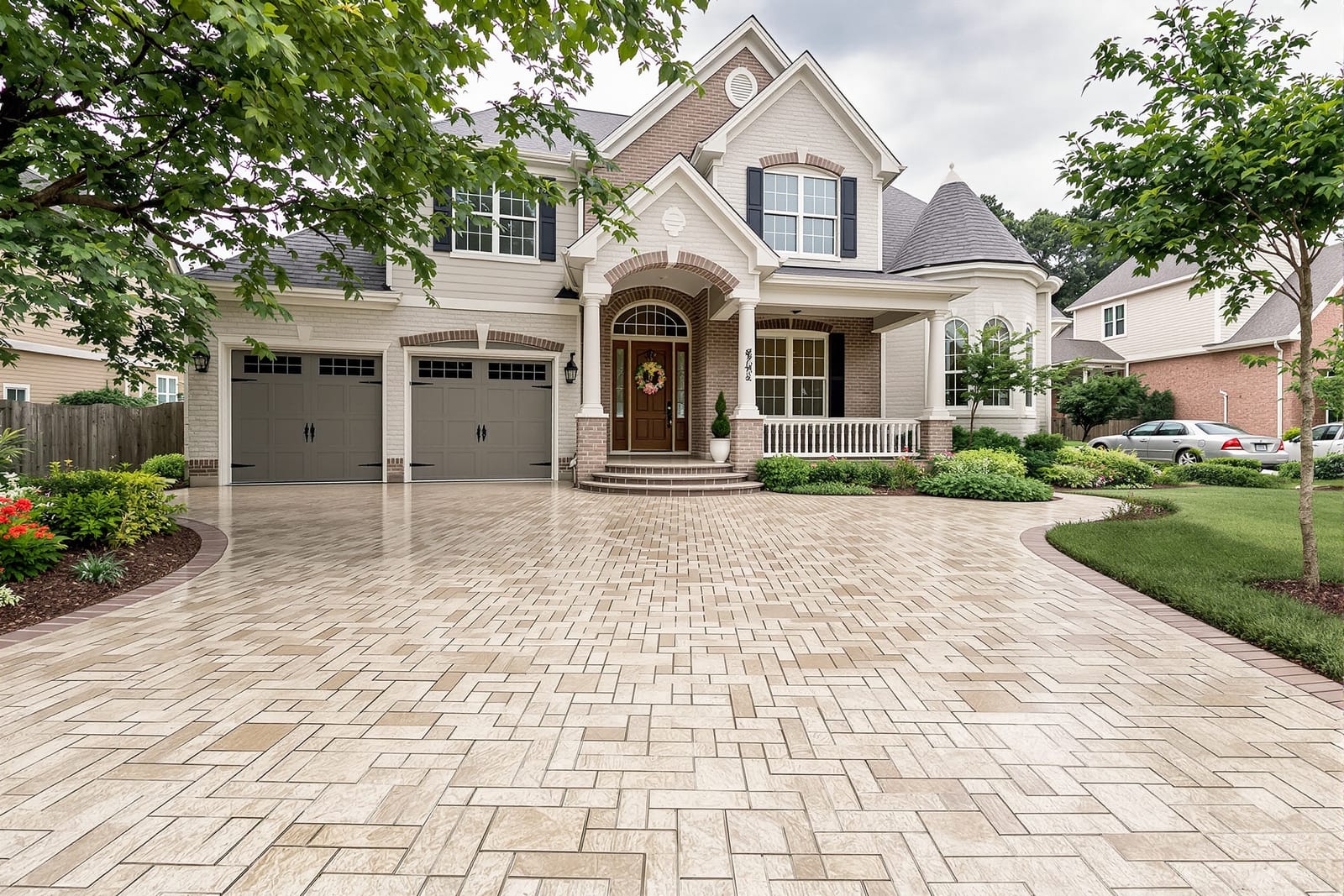
Upgrade plain concrete in Raleigh, NC with stamped concrete that adds the look of stone, brick, or pavers without the high maintenance. We install and color stamped concrete for patios, walkways, driveways, and pool decks, giving your home a custom look that lasts.
Superior Concrete Raleigh provides professional stamped concrete throughout Raleigh, NC, North Carolina and the surrounding area. Our licensed, insured crew delivers safe, clean, on-time work with a free estimate before anything begins. Call (984) 342-0629 or request your free quote.
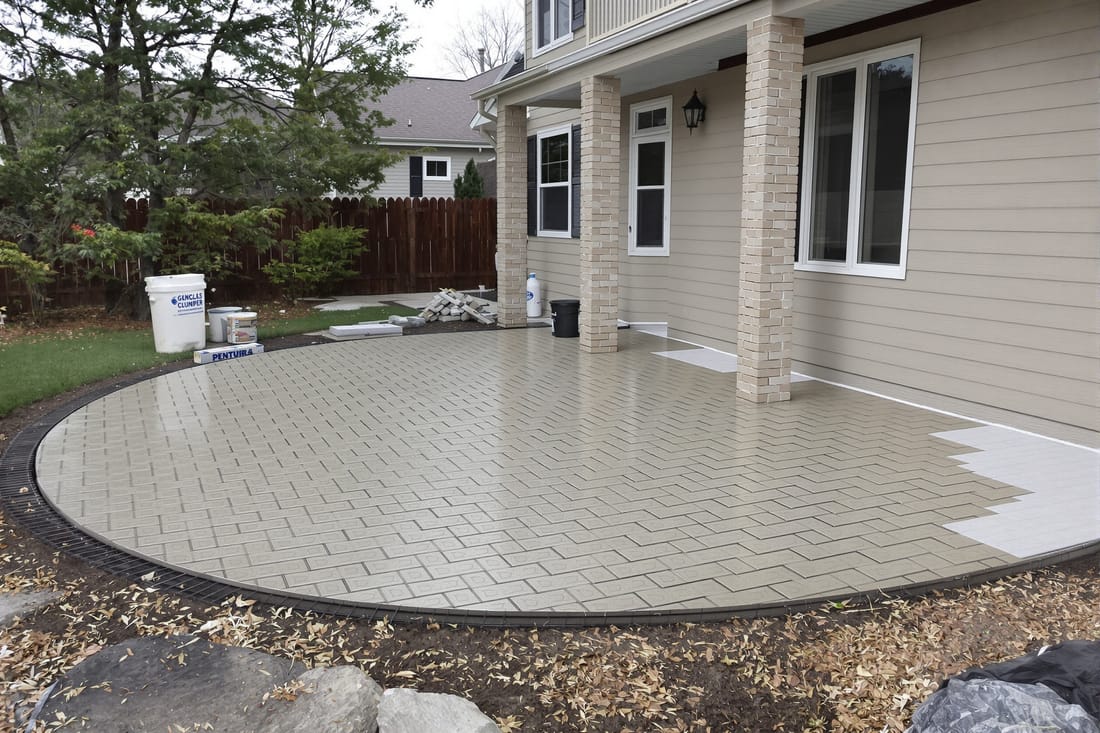
Stamped concrete in Raleigh that is built to last
Stamped concrete is about more than a pattern on top of plain gray cement. Done right, it is a thicker, reinforced concrete slab that carries weight properly and keeps its color and texture for years in Raleigh weather. At Superior Concrete Raleigh, we treat every stamped project as structural concrete first and decorative surface second. That mindset is what keeps patios from settling, pool decks from flaking, and driveways from cracking across control joints.
In Wake County, stamped concrete is a good fit for patios, walkways, pool decks, and some driveways, especially where HOAs want a finished look without the shifting you get from pavers. We walk you through realistic expectations. Stamped concrete will have minor color and texture variation, because it is a hand-finished product, but it should not have random cracks, standing water, or peeling sealer when installed correctly.
Superior Concrete Raleigh focuses on jobs in and around Raleigh, including Cary, Knightdale, Garner, and the closer parts of Clayton and Wake Forest. That local focus means we know which neighborhoods tend to have clay that swells, which HOAs dislike loud patterns, and which areas call for more aggressive control joint layouts because of soil movement.
How we install stamped concrete step by step
Every stamped concrete project from Superior Concrete Raleigh follows a clear process so you know what is going to happen in your yard and when.
1. Site visit and layout: We measure, check grades, and look for drainage paths so water does not run toward your house or pool. We mark slopes with laser levels and paint out the edges of the patio or driveway so you can adjust the footprint before any digging.
2. Excavation and base prep: For patios and walkways we typically excavate 4 to 6 inches, depending on soil conditions. For driveways we go deeper. We install a compacted gravel base to reduce settling, which matters in Raleigh clay, and we compact in lifts so the base is tight.
3. Forms and reinforcement: We set wooden or steel forms to your finished height and slope. In most stamped work we use a 4 inch to 5 inch concrete slab minimum, thicker on driveways. We add reinforcement such as welded wire mesh or rebar aligned with expected loads and planned control joints.
4. Mix, placement, and finishing: We order a concrete mix that matches the job. For Raleigh freeze and thaw cycles we often use a 3000 to 4000 psi mix with air entrainment on exterior slabs. We place the concrete, screed it to level, bull float it, and let bleed water evaporate. This timing is critical. If you stamp too early the pattern blurs. If you stamp too late the surface will not take the texture fully.
5. Color, release, and stamping: We typically use either integral color (pigment mixed at the plant) or color hardener broadcast onto the surface. After that, a release agent, often a contrasting color powder or liquid, is applied so the stamps do not stick and to give natural color variation. Then we place pattern mats in sequence and use tamping tools to press the design into the slab. Edges and tight corners are detailed with smaller texture skins and hand tools.
6. Cutting joints, cleaning, and sealing: Once the concrete gains enough strength, we saw-cut control joints at calculated intervals to encourage predictable cracking. After the slab cures initially, we wash off excess release powder, clean the surface, and apply a sealer in suitable weather. In humid Raleigh summers this sometimes means starting earlier in the day so the sealer can flash off correctly before evening dew.
Design options that suit Raleigh homes and HOAs
Stamped concrete should match your house and neighborhood instead of looking like something copied from a catalog. Superior Concrete Raleigh spends time on pattern and color choices that fit local styles.
Common patterns we install in the Raleigh area include:
• Ashlar slate, which works well with brick and painted siding in subdivisions across North Raleigh and Cary.
• Cobblestone or running bond brick, often used along front walkways or under covered porches where homeowners want a more traditional look.
• Random stone or flagstone textures, popular around backyard patios, fire pits, and pool decks in outlying areas where yards are larger.
Color choices are usually driven by existing elements. For homes with red or brown brick, we often blend warm integral colors with darker release to pick up mortar lines. For light gray or white homes, cooler gray or charcoal tones keep the patio from looking muddy. Around pools in Raleigh, many homeowners prefer lighter colors that do not heat up as much in the sun.
We also discuss finish details that matter in real use. On pool decks we tone down deep joints that might catch bare feet. On steep driveways we add texture and adjust sealer type so the surface stays more slip resistant when wet. If your HOA has restrictions on bright colors or certain patterns, we can prepare a simple pattern and color board or printed spec sheet for your approval request so you are not guessing what will pass.
What affects stamped concrete cost and timeline
Stamped concrete pricing is not one-size-fits-all. Superior Concrete Raleigh prices projects based on several real factors instead of generic square foot numbers.
Key cost drivers include:
• Size and shape: Simple rectangles cost less per square foot than multi-level patios with curves, steps, and seat walls because forming and stamping take more labor.
• Thickness and reinforcement: Driveways need thicker slabs and more steel, especially for heavy vehicles or RVs, which increases concrete and material costs.
• Pattern and color complexity: Basic single-color stamp jobs are more economical than two- or three-color combinations with borders, bands, or custom inlays.
• Access: Backyards with narrow gates, steep slopes, or no truck access may require extra labor for wheelbarrow runs or concrete buggies.
Timeline depends on weather and job size. A typical residential patio of 400 to 600 square feet usually takes 2 to 3 days on site. Day one is demo and prep, day two is pour and stamp, and a return visit for washing and sealing follows after the concrete has set properly. In hot Raleigh summers we sometimes start pours early in the morning to control set times and avoid surface defects.
We are direct about where you can save money and where it is not worth cutting corners. For example, reducing thickness or base preparation to chase a lower quote usually leads to cracks and settling. Adjusting pattern complexity, choosing a more standard color blend, or simplifying edges is a safer way to keep cost in check without sacrificing durability.
Common stamped concrete issues and how we prevent them
Stamped concrete has some predictable failure points when shortcuts are taken. Superior Concrete Raleigh designs each job to avoid the problems we see most often around the Triangle.
Cracking: All concrete cracks at some level, but location and size can be controlled. We prevent random cracking with proper base compaction, correctly placed control joints, adequate slab thickness, and reinforcement. We also avoid placing slabs directly on soft topsoil or organic material, which is a common mistake in fast builds.
Scaling and flaking: In our climate, winter ice events combined with deicer salts can cause surface damage, especially on driveways. We address this with appropriate air-entrained mix designs, correct finishing techniques that do not overwork the surface with water, and sealers that protect against salt. We also explain what deicing products to avoid and when it is safe to use them.
Sealer problems: Over-application, sealing too soon, and sealing in high humidity can all lead to whitening, blistering, or a tacky surface. Our crews monitor moisture and temperature and use proven application rates. On heavily textured patterns, we may back-roll after spraying to keep an even film. If a previously sealed surface fails, we can often strip the old sealer and reapply the correct product rather than simply stacking more on top.
Color inconsistency: Some variation is normal and often desired, but obvious blotches usually point to improper color application or uneven curing conditions. We control this with consistent color hardener or integral color use, uniform release application, and protection from random watering or runoff while the slab cures.
Permits, prep, and what Raleigh homeowners should expect
Stamped concrete in Raleigh sometimes requires permits and sometimes does not. Superior Concrete Raleigh helps you sort this out before work starts, not after.
For typical backyard patios that are not attached structurally to the house and are on private property, the City of Raleigh often does not require a building permit, but drainage and impervious surface limits still matter, especially inside city limits or in neighborhoods near lakes and streams. If your project expands an existing patio significantly, we may recommend you check with the city or county to confirm stormwater rules and impervious coverage percentages.
Driveways that tie into the street or sidewalk can trigger right-of-way rules. In many Raleigh subdivisions, the apron near the street must meet specific width, thickness, and sometimes finish requirements. We are familiar with those standards and can coordinate with you if an inspection is needed.
If you live in an HOA community, architectural approval is often the longest part of the process. We provide straightforward job descriptions, pattern names, and color selections so you can submit a clear request. Most boards care about appearance, drainage impact on neighbors, and keeping work within easements. We lay out patios to respect those boundaries and can adjust designs to avoid property line conflicts.
Before we arrive, we ask homeowners to mark irrigation heads, pet fences, and any known utility lines in the work area. We call for public utility locates when digging near property lines or streets. During the job, there will be noise from demo equipment and saws, and there will be limited access to the pour area for at least several days.
After installation, you can usually walk on a stamped patio in about 24 to 48 hours and place furniture back carefully after several days. For driveways, we typically recommend waiting 7 days before parking standard vehicles and longer for heavy loads. We also schedule a follow-up to address questions about maintenance, resealing intervals, and what to watch for in the first season as the concrete goes through its initial cure and local weather cycles.